And then, slowly and suddenly at the same time, that sense of permanence began to shift. The war changed the structure of everything — not only physically, but internally. What once felt fixed became uncertain. There was movement, distance, and a constant awareness of change. The idea of home became less tangible, harder to define. It was no longer something I could simply return to, but something that existed in pieces, scattered across memory and feeling.
With that came a different kind of thinking. Questions that didn’t exist before became unavoidable. What is home when it is no longer a place you can fully access? What does belonging mean when everything around it shifts? What do you carry with you, and what do you leave behind without choosing to? There is a quiet tension in that — between holding on and letting things transform. Some memories became sharper, almost frozen in time, while others faded or changed their meaning. Familiarity became something you search for rather than something you are surrounded by.
In that space, creativity started to take on a different role. It became a way of processing, of reconnecting, of making sense of things that are difficult to articulate directly. Fashion, for me, is not about recreating what was, but about engaging with it — questioning it, reshaping it, allowing it to evolve. I return to fragments of what feels familiar: materials, silhouettes, details that hold a certain emotional weight. But I don’t try to preserve them as they were. Instead, I translate them into something that exists now, something that reflects both distance and connection.
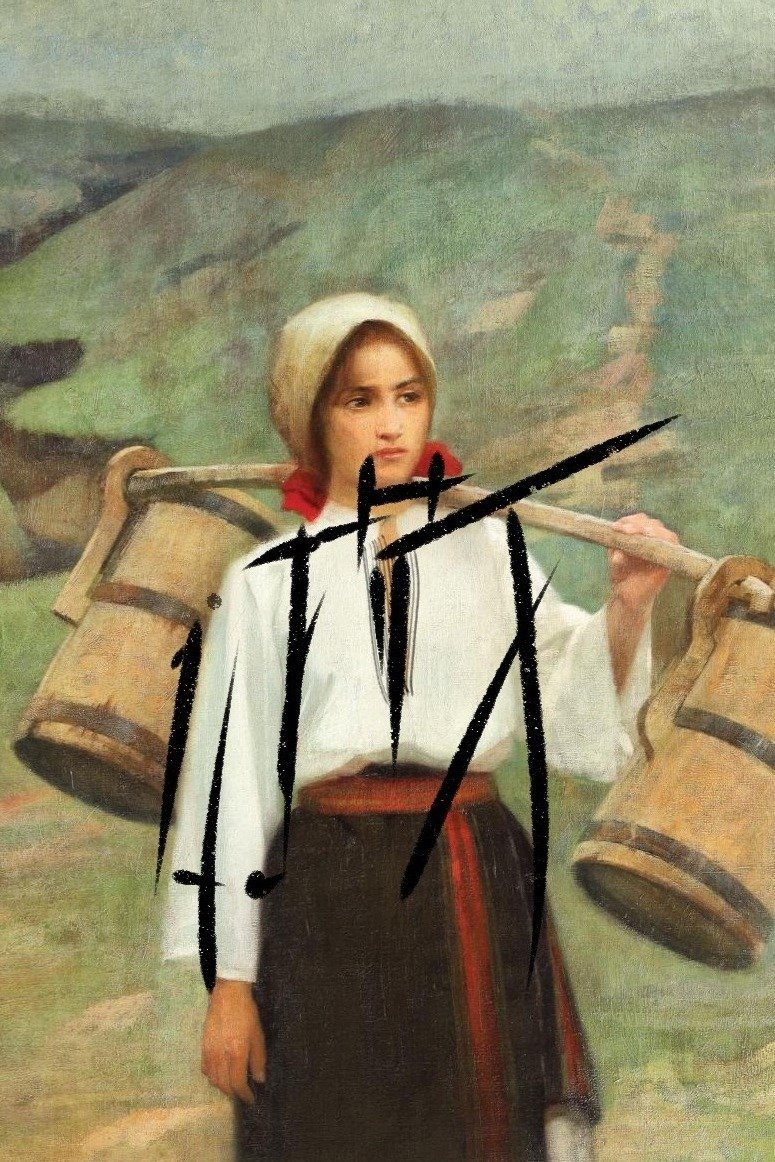
There is a growing awareness of my roots, and with it, a deeper appreciation of heritage — not as something fixed or nostalgic, but as something living. Ukrainian culture, in this sense, becomes a foundation rather than a boundary. It informs my perspective, but it also invites reinterpretation. I am interested in how tradition can move, how it can adapt to new contexts, how it can be carried forward without losing its depth. This process is both personal and ongoing, shaped by memory, by change, and by the spaces in between.
At the same time, this journey is also about identity. Not something clearly defined, but something that continues to form through experience, reflection, and creation. There is a constant negotiation between past and present, between what feels familiar and what feels new. Through my work, I try to hold both — the emotional weight of where I come from, and the freedom to see it differently.
What I create is not just about clothing. It is about connection — to identity, to memory, to a place that exists both physically and internally. It is about carrying something forward, even when its form changes. In this way, my work becomes a space where fragments come together again, where something once distant can be felt, even briefly, as close.
The Story - Roman Barakhtian
I was born in Kyiv and lived there for sixteen years, without really questioning what it meant. It was just there — constant, familiar, almost unnoticeable in its presence. It lived in the language I spoke at home and outside, in the tone of conversations, in the rhythm of the streets, in the way people carried themselves. Ukrainian culture wasn’t something defined or explained to me, it existed quietly in everything — in materials, in patterns, in gestures, in routines that felt instinctive rather than learned.
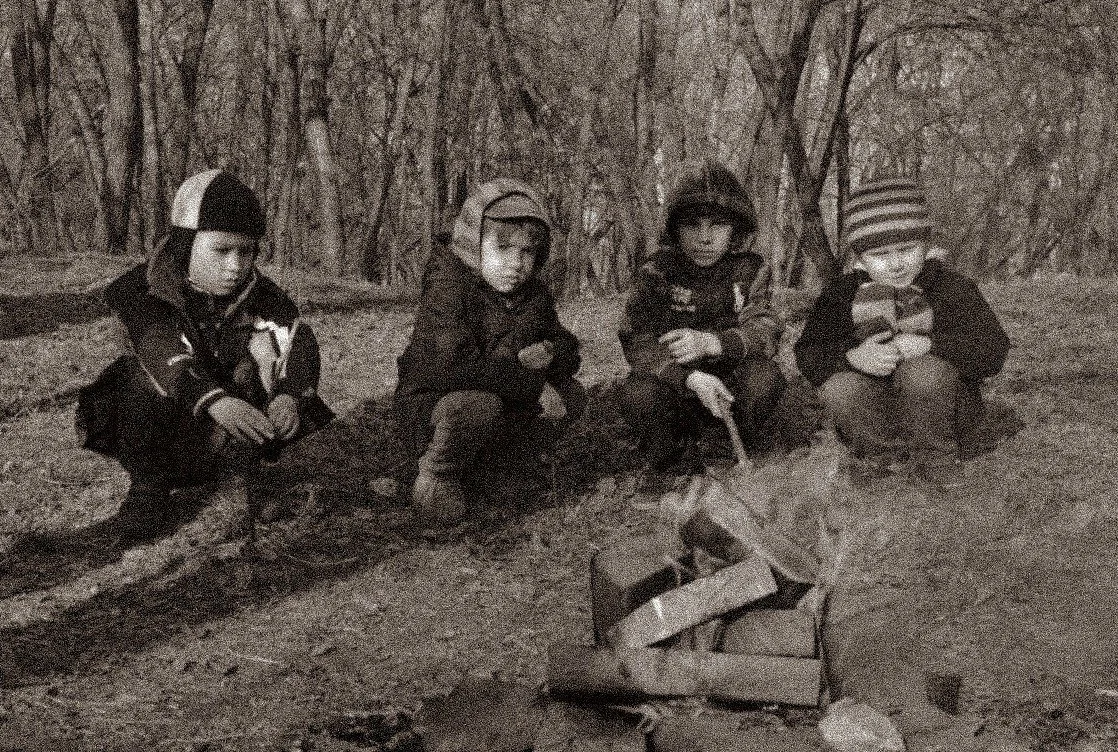
I grew up surrounded by it, shaped by it, without needing to name it. There was a certain warm feeling, something grounding and deeply personal. It came from the presence of family, from shared time and unspoken understanding, from the comfort of being part of something stable. Memories of childhood come back in fragments — textures, sounds, light, the feeling of spaces that once felt endless and safe. Certain details stay with me more clearly than others: the atmosphere of a room, the weight of silence or laughter, the sense of being completely at ease.
There was a closeness to everything: to people, to place, to a sense of belonging that felt unquestioned. Even the ordinary carried meaning, though I didn’t realise it at the time. It felt stable, continuous, like something that would always remain.